
A Journey Worth Mapping
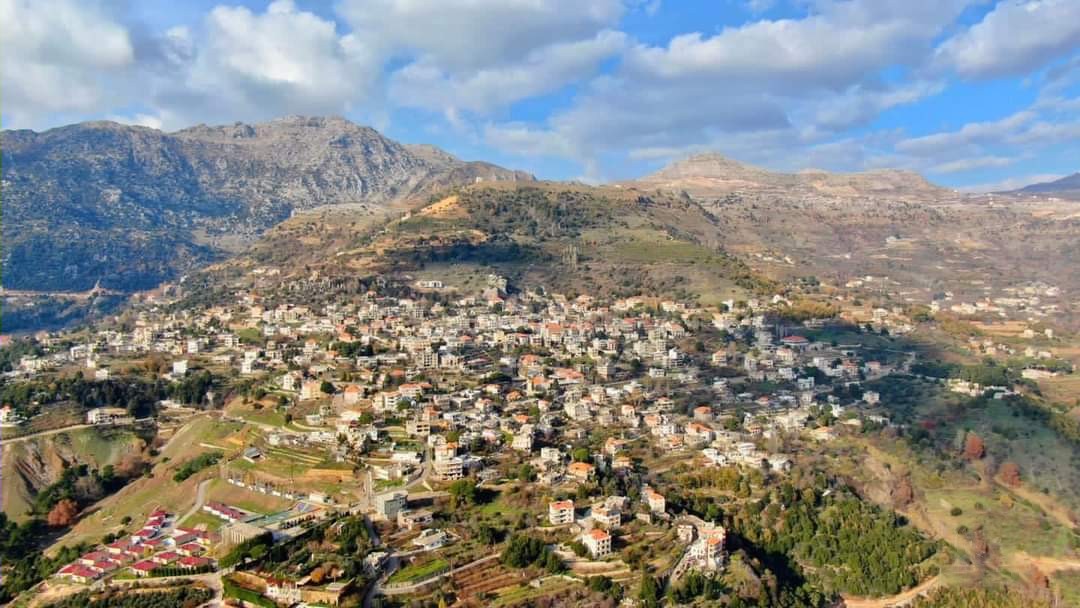
Lebanon is a country often described in superlatives: a small planet, a captivating fragrance, an unstoppable enchanting voyage. It's a place where the journey—the "Meshwar"—is part of the identity, a daily renewal of love for the land and life. But for too long, discovering Lebanon's hidden treasures has been a matter of luck rather than design. Beautiful villages remain undiscovered, stunning trails go unhiked, and local producers struggle to reach visitors who would love their products. This is where Meshwar Lebnen steps in. We are building a geographic information system (GIS) for Lebanese tourism—a digital map that is more than just points on a screen. It's a tool for discovery, a catalyst for balanced growth, and an act of hope for our country's future. Our goal is simple yet ambitious: to make every corner of Lebanon visible, accessible, and inviting.
"Every trail you walk, every fair you enjoy, every tree you help plant—your donation gives life to new adventures, uplifts local producers, and preserves Lebanon's breathtaking landscape."
- Meshwar Lebnen
The Tale of Two Travelers
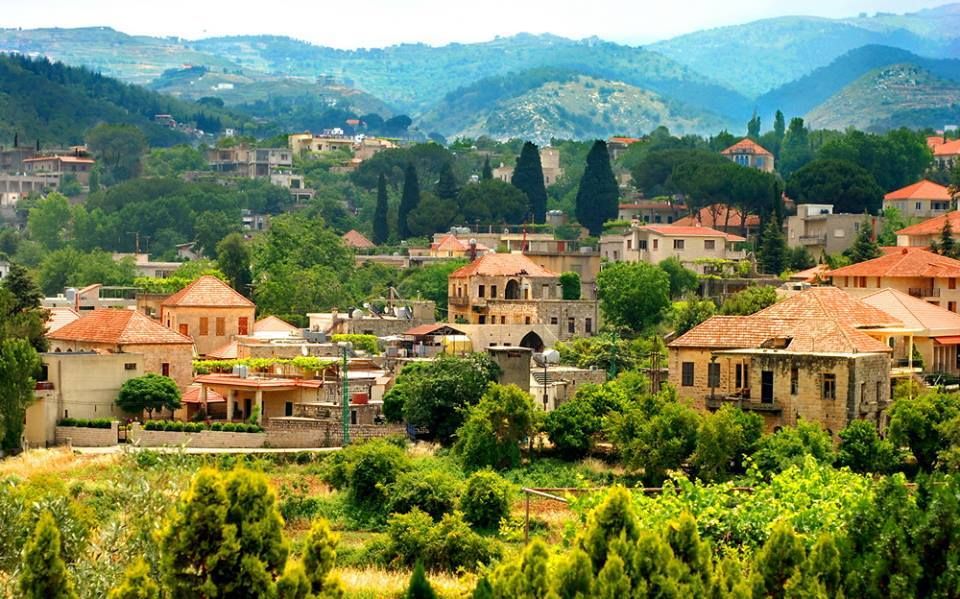
To understand why our work matters, we need to look at the current state of tourism in Lebanon. This summer, the nation launched the vibrant national campaign "Meshwar Rayhin Meshwar," celebrating over 30 regions and the incredible diversity from Beirut to Baalbek and beyond. The spirit was captured perfectly in a song by the Rahbani family, inviting everyone—locals and expatriates alike—to dance, cheer, and sing. But what does the reality on the ground look like? Data from the 2023 tourism season reveals a fascinating, and surprising, picture. Akkar, Lebanon's northernmost governorate, recorded the highest number of tourist visits in 2023, topping even Mount Lebanon and Byblos. This is a powerful reminder that hidden gems are being discovered, and the "meshwar" is already happening in places that might not make the typical postcards. Yet, on the other hand, Mount Lebanon—with its 381 towns, highest concentration of cafes and hotels, and 25% of its towns boasting at least one tourist attraction—should be a powerhouse. But half of its towns score at or below average on the tourism index. The reason? It comes down to something surprisingly simple.
"Towns with good roads and parks thrive, while those with poor access and neglected public spaces falter, regardless of their inherent beauty. Accessibility is the bedrock of tourism."
- Analysis based on Lebanese tourism data
The Hidden Imbalance
Our mission goes deeper than just mapping pretty places. It's about understanding the flow of the tourism economy. A key insight from recent research shows a stark imbalance: around one out of every five tourism facilities—hotels, restaurants, cafes—in Lebanon is concentrated in just two governorates: Baabda and Akkar. This means the economic benefits of tourism are heavily centralized. While places like Tyre, Baalbek-Hermel, and Batroun have incredible cultural, historical, and natural assets, they are underserved when it comes to the infrastructure that makes tourism work. This isn't just a missed opportunity for those regions; it's a missed opportunity for the entire country. When tourism dollars flow to only a few areas, we miss the chance to create jobs, support local families, and build a more resilient economy across all of Lebanon. The data doesn't lie—but it also doesn't have to be the final word. By understanding where the gaps are, we can start filling them.
"Around one out of every five tourism facilities (hotels, restaurants, cafes) in Lebanon is concentrated in just two governorates: Baabda and Akkar."
- Lebanese tourism research findings
This is Where Meshwar Lebnen Comes In
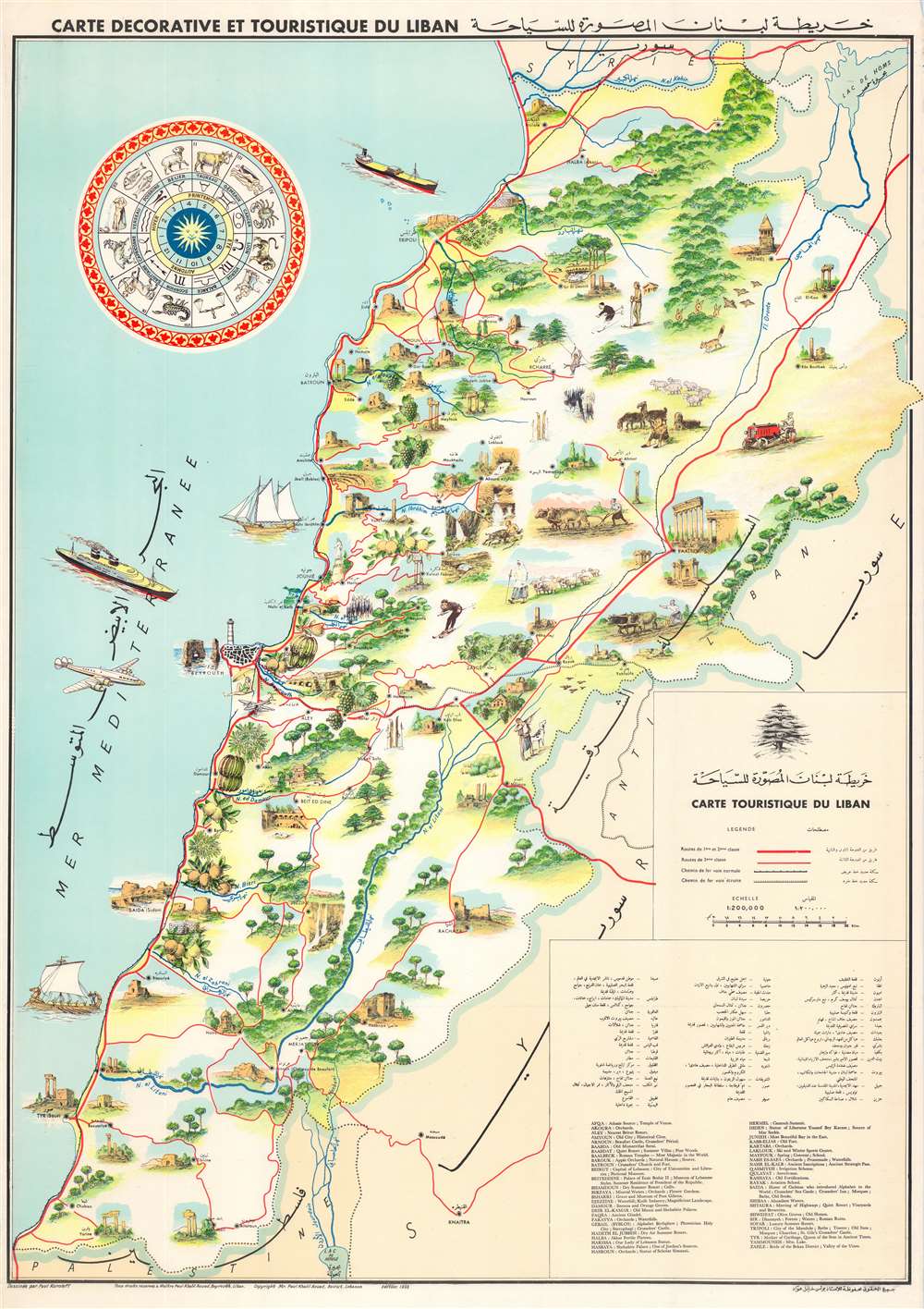
This is the challenge and the opportunity that Meshwar Lebnen is tackling head-on. First, we are building the digital infrastructure to bridge the gap. Our GIS is a comprehensive system that goes beyond a simple map. It will include data on points of interest, accessibility, services, and facilities. By making this information easily accessible and visual, we empower travelers to discover the hidden corners of Lebanon—from the valleys of Ehden to the caves of Kartaba. Second, we are making the invisible visible. Our platform will highlight the very imbalance the data reveals, creating a powerful tool for policymakers, investors, and communities to see where the gaps are and where the potential lies. Third, we are championing a new kind of journey. One that is intentional, equitable, and deeply connected to the land and its people. We're not just building a map; we're building a movement that says every village, every trail, and every producer matters.
"We invite you to be part of this 'meshwar.' Join our community events, hike the trails we map, help us plant trees. Every step you take, every tree you help plant, every local producer you support is a step towards rebalancing the tourism landscape."
- Meshwar Lebnen
A Future We Can Map Out Together
Data can feel impersonal, but at Meshwar Lebnen, we see it as the blueprint for a more hopeful future. It shows us that tourism in Lebanon is not a monolith—it's a dynamic, uneven, but incredibly promising story. Every piece of data we collect, every trail we document, and every village we add to our map is a step toward rebalancing the scales. The map of Lebanon's tourism is still being written, and we have the power to shape its next chapters. By supporting our work, you're not just helping to build a better guidebook. You are helping to build a more inclusive, accessible, and prosperous Lebanon for everyone. You are saying that the beauty of Akkar matters, the history of Baalbek matters, the potential of Batroun matters—and that every community deserves to share in the promise of tourism. Let's make sure the most beautiful story we tell is not just about our past, but about our future.
"Don't just read about impact—become part of the story. Every trail you walk, every tree you plant, every friend you make adds a new chapter."
- Meshwar Lebnen